Word games have never been more popular. The New York Times reported 11.1 billion puzzle plays across their platform in 2024, with Wordle alone contributing 5.3 billion of those plays. This explosion of interest has created a golden age for free browser-based word puzzles.
This guide covers the best online word games available in 2025, from viral phenomena to hidden gems that vocabulary enthusiasts will appreciate.
The Word Game Phenomenon
Understanding why word games dominate helps explain the variety of options available today.
Wordle’s Impact on the Genre
Wordle didn’t invent word puzzles, but it revolutionized how people engage with them. Created by software engineer Josh Wardle, the game went from 90 players on November 1, 2021 to over 2 million a week after January 2, 2022.
Wordle’s Key Statistics (2024-2025):
According to multiple tracking sources:
| Metric | Value |
|---|---|
| Daily plays in 2024 | 5.3 billion |
| Estimated daily players | 14.5 million |
| Monthly players (2025 average) | 10.7 million |
| Most common starting word | “adieu” (2.8 million daily) |
| Average guesses to solve | 4.016 globally |
Regional Performance:
| Country | Average Guesses |
|---|---|
| Sweden (best globally) | 3.72 |
| Australia | 3.80 |
| United States | 3.92 |
| Global average | 4.016 |
The New York Times acquired Wordle in 2022, recognizing its cultural significance and using it to anchor their broader games ecosystem.
Why Word Games Resonate
Word games appeal across demographics for several reasons:
Accessibility:
- Require only language knowledge
- No special skills or training needed
- Work on any device with a browser
Cognitive Engagement:
- Provide intellectual challenge
- Deliver satisfaction from solutions
- Create shareable moments and discussions
Social Dynamics:
- Daily puzzles create shared experiences
- Results sharing connects communities
- Competition emerges naturally
Cognitive Benefits of Word Games
Research supports the value of word puzzles beyond entertainment.
Brain Function and Aging
According to groundbreaking research from the University of Exeter and King’s College London, examining nearly 20,000 adults aged 50-93:
- Word puzzle players showed brain function 10 years younger on grammatical reasoning tests
- 8 years younger on short-term memory assessments
- French research found board game players have 15% lower risk of developing dementia
Additional research suggests doing crossword puzzles could delay dementia onset by two and a half years.
Vocabulary and Learning
Educational research demonstrates concrete vocabulary benefits:
Study Results:
- Experimental group using crossword puzzles: 72.60 post-test score
- Control group: 64.00 post-test score
- Significant improvement in vocabulary retention
According to learning specialists: “Word puzzles teach and entertain at the same time. They reinforce subject-specific vocabulary, strengthen recall, and promote persistence.”
How Word Puzzles Work Cognitively
Research on cognitive engagement identifies several mechanisms:
| Brain Function | How Word Games Engage It |
|---|---|
| Visual scanning | Systematic search engages multiple brain regions |
| Pattern recognition | Activates visual cortex circuits |
| Working memory | Tracking found/unfound words |
| Semantic networks | Vocabulary activation strengthens word retrieval |
| Dopamine production | Success increases the “reward” neurotransmitter |
Important Caveats
Houston Methodist neurologist Dr. Tanu Garg notes: “Unfortunately, there’s really no conclusive evidence supporting that word games and puzzles benefit the brain over time.”
However, she adds: “If you like to play Wordle every day or some other type of puzzle, you should definitely keep doing it. It’s certainly not going to hurt. There are no downsides to having a hobby that brings you joy and encourages continued learning.”
Best Free Online Word Games
Daily Word Puzzles
These games offer fresh challenges every day.
Wordle
Rating: 10/10 for accessibility
The phenomenon that reignited word game interest.
How It Works:
- Guess a five-letter word in six tries
- Green = correct letter, correct position
- Yellow = correct letter, wrong position
- Gray = letter not in word
Why It Dominates:
- One puzzle daily creates appointment viewing
- Simple sharing format encourages social spread
- Five minutes max commitment
- Free forever (now on NYT Games)
Play at: New York Times Games website
Connections
Rating: 9/10 for creativity
Generated 3.3 billion plays in 2024, making it the second-most-played NYT game.
How It Works:
- Find four groups of four related words
- Categories range from obvious to tricky
- Four mistakes and you’re done
Why Players Love It:
- Tests lateral thinking, not just vocabulary
- Multiple difficulty levels within each puzzle
- Satisfying “aha” moments
Play at: New York Times Games website
Strands
Rating: 8.5/10 for uniqueness
Achieved 1.3 billion plays in 2024.
How It Works:
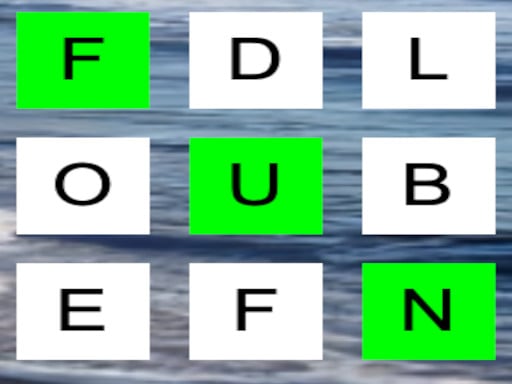
- Find themed words in a letter grid
- Words can twist in any direction
- Find the “spangram” that spans the puzzle
Why It Stands Out:
- Combines word search with puzzle solving
- Daily themes add variety
- More forgiving than Wordle
Play at: New York Times Games website
Wordle Alternatives
For those wanting more than one daily puzzle.
Crosswordle
Rating: 8/10 for innovation
According to PC Gamer’s analysis, Crosswordle “crushes the five-letter word routine with its crossword aspects but still feels familiar with its color-feedback system.”
How It Differs:
- Crossword format with Wordle mechanics
- Multiple words intersecting
- Colored feedback for all words
Best For: Players wanting extended Wordle sessions.
Word Whip
Rating: 7.5/10 for challenge
PC Gamer describes it as “a quickfire test of your vocabulary” where you must think of as many words as you can using given letters in specific positions.
How It Works:
- Partial word patterns provided
- Think of matching words quickly
- Time pressure adds excitement
Best For: Vocabulary showoffs who want speed challenges.
Crocword
Rating: 7.5/10 for relaxation
Per PC Gamer: “Crocword presents you with a simple crossword and a pool of letters at the bottom of the screen, where you need to join up the letters in different combinations to fill the crossword.”
How It Works:
- Connect letters to form words
- Fill crossword grids
- Multiple solutions often possible
Best For: Relaxed word puzzle sessions.
Classic Crossword Puzzles
Traditional crosswords remain enduringly popular.
Arkadium Crosswords
Rating: 9/10 for variety
Arkadium offers fourteen different crossword types, from quick Mini Crosswords to challenging themed puzzles.
Options Include:
- Daily Mini Crossword — 5-10 clues, perfect for quick breaks
- Daily Crossword — Standard difficulty, full-size
- LA Times Mini Crossword — About 10 clues, words under five letters
- Themed Crosswords — Special topics and occasions
Why It Works:
- No account required
- No download necessary
- Multiple difficulty levels
- Regular updates
MindGames Crosswords
MindGames offers free crossword puzzles with various themes and difficulty levels.
Standout Features:
- Browser-based, no installation
- Suitable for all ages
- Variety of puzzle styles
Word Search and Discovery Games
Games focused on finding words within letter arrangements.
Classic Word Search
Rating: 8/10 for accessibility
Multiple platforms offer free word searches, including MindGames and Arkadium.
How It Works:
- Find hidden words in letter grids
- Words can run in any direction
- Themes vary from simple to challenging
Cognitive Benefits: According to research: “Word searches require systematic visual scanning that engages multiple brain regions simultaneously.”
Wordle 2.0
Rating: 8.5/10 for endless play
For players who want more than one Wordle per day, Wordle 2.0 offers the enhanced Wordle experience directly in your browser.
How It Works:
- Same classic five-letter guessing gameplay
- Play unlimited rounds
- No waiting for daily reset
- Track your statistics across sessions
Play at: Wordle 2.0 on TRPLX
Word Wipe
Rating: 7.5/10 for action
Available on MindGames, Word Wipe combines word finding with Tetris-like clearing mechanics.
How It Works:
- Find words to clear letter tiles
- Cleared rows score points
- Racing against rising letters
Best For: Action-oriented word game fans.
Vocabulary Building Games
Games that explicitly expand vocabulary.
Outspell
Rating: 8/10 for learning
MindGames’ Outspell plays like Scrabble against AI opponents.
How It Works:
- Place letter tiles on board
- Score based on letter values and multipliers
- Compete against computer opponents
Educational Value: The competitive format encourages learning new words to gain scoring advantages.
Bookworm
Rating: 7.5/10 for fun
Classic word-building with letter tiles and chain-forming mechanics.
How It Works:
- Connect adjacent letters to form words
- Longer words score more
- Special tiles add bonuses
Best For: Players wanting Scrabble-style mechanics without competitive pressure.
Comparison Chart
By Game Type
| Game | Type | Daily Limit | Difficulty | Session Length |
|---|---|---|---|---|
| Wordle | Guessing | 1 per day | Medium | 5 min |
| Connections | Grouping | 1 per day | Medium-Hard | 10 min |
| Strands | Search | 1 per day | Medium | 15 min |
| Crosswordle | Hybrid | Unlimited | Medium | 10-15 min |
| Classic Crossword | Traditional | Varies | All levels | 15-60 min |
| Word Search | Finding | Unlimited | Easy-Medium | 5-15 min |
| Word Wipe | Action | Unlimited | Medium | 10-30 min |
By Skill Developed
| Game | Primary Skill | Secondary Skills |
|---|---|---|
| Wordle | Letter pattern recognition | Vocabulary, deduction |
| Connections | Categorization | Lateral thinking, vocabulary |
| Crosswords | Vocabulary breadth | General knowledge, memory |
| Word Search | Visual scanning | Pattern recognition |
| Scrabble-types | Strategic vocabulary | Spatial planning |
Choosing the Right Word Game
By Available Time
5 minutes or less:
- Wordle (one and done)
- Mini Crosswords
- Quick word searches
10-15 minutes:
- Connections
- Strands
- Standard crosswords
30+ minutes:
- Full crossword puzzles
- Word Wipe marathons
- Multiple puzzle sessions
By Goal
Vocabulary Expansion:
- Crossword puzzles (encounter unfamiliar words)
- Outspell/Scrabble games (strategic word discovery)
- Difficult Wordle variants
Relaxation:
- Word searches
- Easy crosswords
- Crocword
Competition:
- Wordle (compare scores with friends)
- Scrabble-type games with opponents
- Timed word challenges
Mental Exercise:
- Varied daily puzzles (NYT suite)
- Challenging crosswords
- Word Whip speed tests
By Player Type
New to Word Games: Start with Wordle — simple rules, daily limit prevents overwhelm, social sharing creates community.
Crossword Enthusiasts: Try Connections and Strands — familiar territory with fresh mechanics.
Competitive Players: Scrabble-type games offer direct competition; Wordle enables indirect comparison.
Casual Players: Word searches and Crocword provide low-pressure enjoyment.
Educational Applications
Word games serve legitimate educational purposes.
Classroom Use
According to educational research, word puzzles in educational contexts:
- Improve vocabulary acquisition measurably
- Engage students who resist traditional learning
- Provide self-paced practice opportunities
- Reduce anxiety around language learning
Best Classroom Games:
- Crossword puzzles (subject-specific vocabulary)
- Word searches (spelling and recognition)
- Scrabble variants (strategic vocabulary use)
Language Learning
For non-native speakers, word games offer:
- Contextual vocabulary practice
- Spelling reinforcement
- Common word pattern exposure
- Low-stakes language interaction
Recommended Approach: Start with simple word searches, progress to crosswords, eventually tackle Wordle-type games as vocabulary grows.
Adult Learning
Research on adult learners shows word puzzles:
- Maintain cognitive engagement
- Build vocabulary without textbook stigma
- Provide measurable progress feedback
- Create enjoyable learning habits
Browser Word Games vs. Apps
Browser Advantages
Accessibility:
- No installation required
- Works on any device with browser
- No storage space used
- Instant access via links
Variety:
- Switch between games easily
- Try new options without commitment
- Cross-platform progress (on some sites)
Cost:
- Completely free options abundant
- No app store restrictions
- No subscription traps
When Apps Make Sense
Offline Play: Downloaded apps work without internet.
Notifications: Apps can remind you about daily puzzles.
Progress Tracking: Some apps offer better statistics and history.
Ads: Paid apps often eliminate advertising.
Recommended Approach
Use browser versions for:
- Trying new games
- Quick casual sessions
- Variety exploration
Consider apps for:
- Committed daily players
- Offline needs
- Games you’ve verified you enjoy
Word Game Strategy Tips
Wordle Strategies
Starting Word Selection: 2.8 million players use “adieu” daily, but strategies vary:
| Strategy | Example Words | Logic |
|---|---|---|
| Vowel-heavy | adieu, audio | Identify vowels early |
| Common letters | stone, crane | Hit likely consonants |
| Varied letters | stomp, glyph | Eliminate possibilities |
Middle Game:
- Use green letters in place
- Try yellow letters in new positions
- Avoid already-gray letters
Endgame:
- Consider uncommon words
- Double letters become viable
- Less common letter combinations
Crossword Strategies
Getting Started:
- Fill in obvious answers first
- Short words often easier than long
- Trust your first instinct initially
When Stuck:
- Work perpendicular clues
- Look for fill-in-the-blank clues
- Check themes for pattern hints
Improvement Over Time:
- Learn common crossword words (ere, ado, etc.)
- Recognize constructor preferences
- Build knowledge of crossword conventions
Word Search Efficiency
Systematic Scanning:
- Work one word at a time
- Scan in consistent patterns
- Check backward/diagonal variations
- Mark found words immediately
Speed Tips:
- Look for distinctive letters first
- Long words often span edges
- Rare letters (Q, X, Z) stand out
Frequently Asked Questions
Are word games actually good for your brain?
Research shows measurable benefits: word puzzle players demonstrated brain function 10 years younger on reasoning tests. However, some neurologists note that conclusive evidence for long-term brain protection remains limited. Regardless, there are no downsides to enjoyable mental engagement.
What’s the best word game for beginners?
Wordle offers the most accessible entry point: simple rules, daily limit prevents burnout, and the social aspect creates motivation. Word searches provide even lower barriers for those intimidated by guessing mechanics.
Can word games help learn English?
Yes. Research demonstrates significant vocabulary improvement from word puzzle use in educational settings. Start with word searches for recognition, progress to crosswords for context, and eventually tackle Wordle-type games.
Why is Wordle so addictive?
Several psychological factors: the daily limit creates scarcity (can’t binge), the shareable format provides social reward, the color-coded feedback delivers immediate gratification, and the consistent difficulty ensures achievable-but-challenging engagement.
Are these games really free?
Yes. All games mentioned offer free browser play. Some platforms show ads; some offer premium ad-free versions. The core gameplay is always accessible without payment.
What’s the difference between Wordle and Connections?
Wordle tests word guessing through letter-position deduction. Connections tests categorization by grouping related words. Wordle is more about vocabulary and patterns; Connections requires lateral thinking about how words relate.
Getting Started
Ready to explore word games? Here’s a suggested path:
Day One
- Try Wordle — understand the viral phenomenon
- Play Connections — experience category-based puzzles
- Complete a Mini Crossword — classic format in bite-size
Week One
- Establish daily puzzle routines
- Try Strands for variety
- Explore word search options
- Test one Wordle alternative
Ongoing
- Rotate between puzzle types
- Increase crossword difficulty gradually
- Share results to maintain motivation
- Try new games monthly
Conclusion
Word games combine entertainment with genuine cognitive value. With 11.1 billion NYT puzzle plays in 2024 alone, you’re joining millions who’ve discovered that vocabulary challenges provide satisfying daily mental exercise.
The best part: everything mentioned here is free and browser-based. No downloads, no subscriptions, no barriers—just you against the letters.
For more puzzle options, explore our puzzle games collection or read our comprehensive puzzle games guide.
Looking for different genres? Check out our best free browser games of 2025 or discover .io games for multiplayer action.
Sources
- Today.com: NYT Top Wordle Connections 2024
- LEVVVEL: Wordle Statistics
- Wikipedia: Wordle
- Epic Win App: Wordle Stats
- Psychology Today: Word Puzzles and Board Games Boost Brain Health
- Houston Methodist: Are Word Games Good for Your Brain?
- ResearchGate: Word Search Puzzles and Vocabulary
- Word Search Puzzles.io: Cognitive Benefits
- Life Beyond High School: Word Puzzle Benefits
- PC Gamer: Best Free Word Games
- Arkadium: Free Online Word Games
- MindGames: Word Games